Executive Summary:
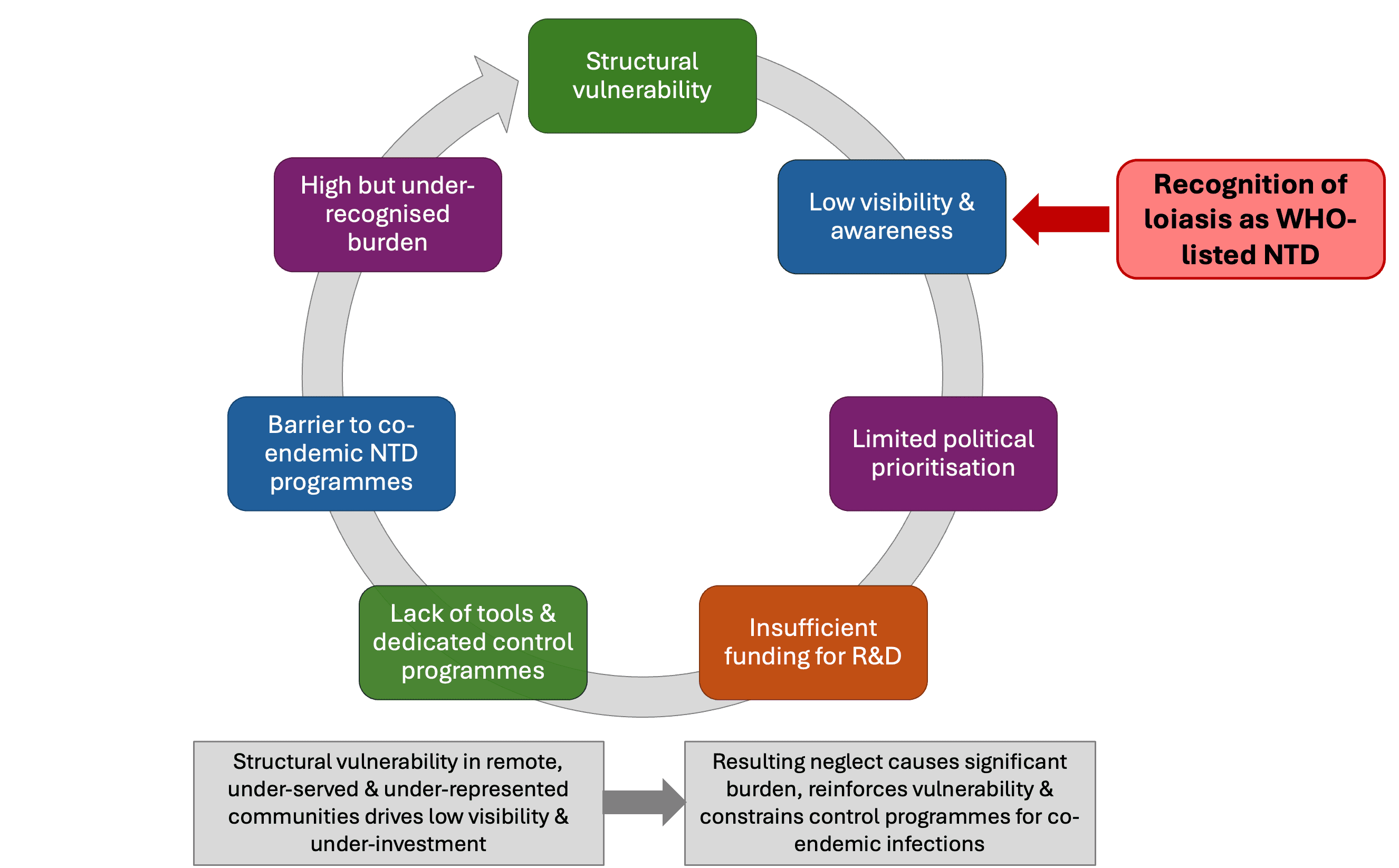
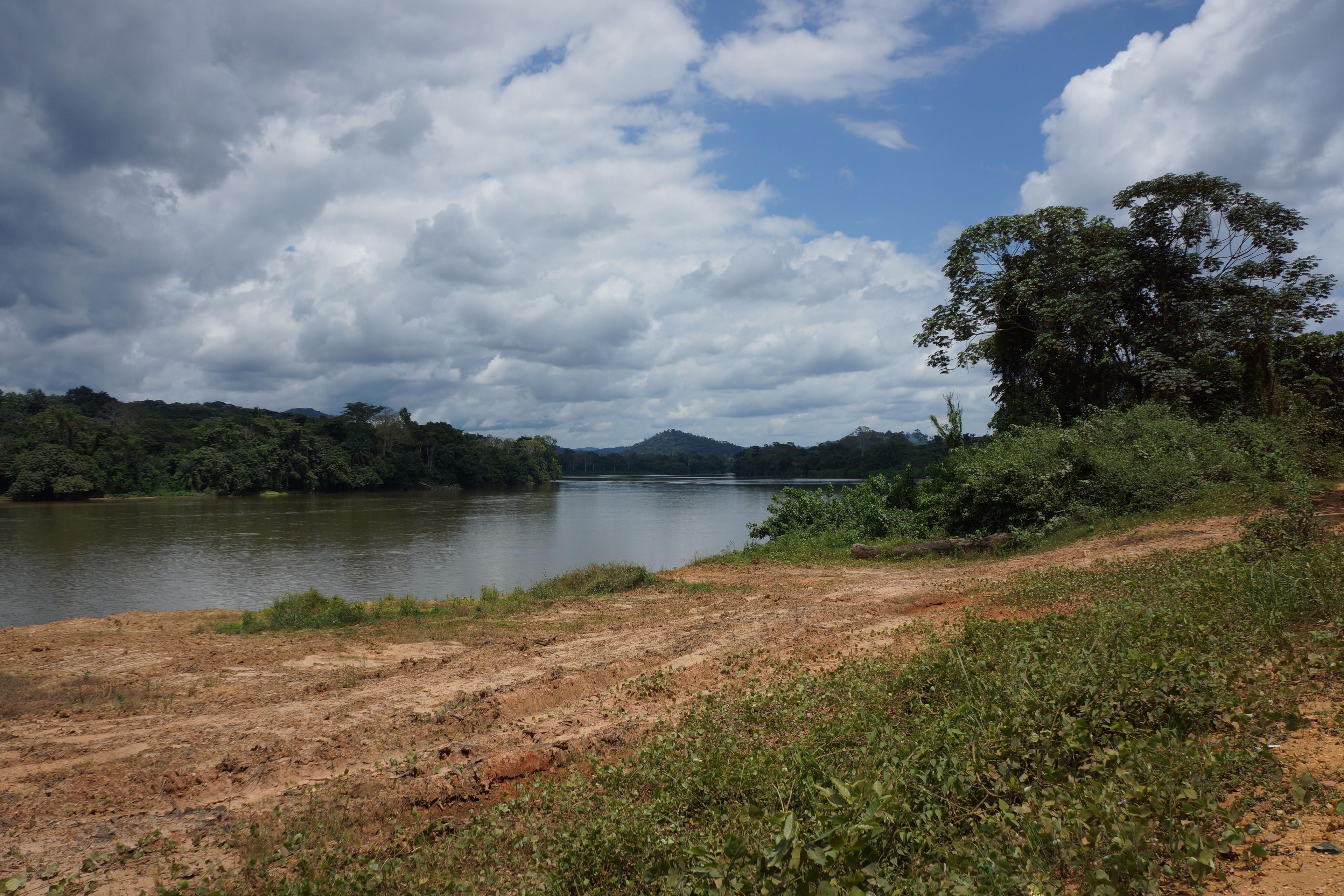
Loiasis is a more than neglected tropical disease (NTD) that affects over 20 million residents in parts of Central and West Africa, primarily in rural communities in rain forests and adjacent savannah regions, which are often remote and economically disadvantaged. Despite being associated with substantial morbidity, increased mortality, and a significant economic burden in endemic regions, loiasis is not included in the WHO’s list of NTDs. The failure to recognise loiasis as a public health priority, together with a lack of profitability for the commercial R&D sector, has resulted in a lack of research efforts, and appropriate tools to diagnose, treat, and control the disease are therefore still lacking.
Loiasis occurs alongside a plethora of health conditions, including malaria and NTDs such as soil-transmitted helminths, schistosomiasis and the closely related onchocerciasis and lymphatic filariasis. The control of these diseases faces similar challenges regarding limitations in access to safe and efficacious drugs, efficient healthcare systems, and population-based control programmes. Loiasis also hinders effective mass drug administration programs for onchocerciasis control in co-endemic regions. Addressing loiasis alongside these diseases in a comprehensive health strategy will foster treatment and prevention efforts for these co-endemic conditions that disproportionally affect the economically disadvantaged communities of rural Central and West Africa.